
How Battle Passes Are Changing and What Comes Next
A simple story about where battle passes came from, how they evolved, and the new player friendly ideas shaping what comes next.
GAME DESIGN
Bhavin Sagar
5/8/20245 min read
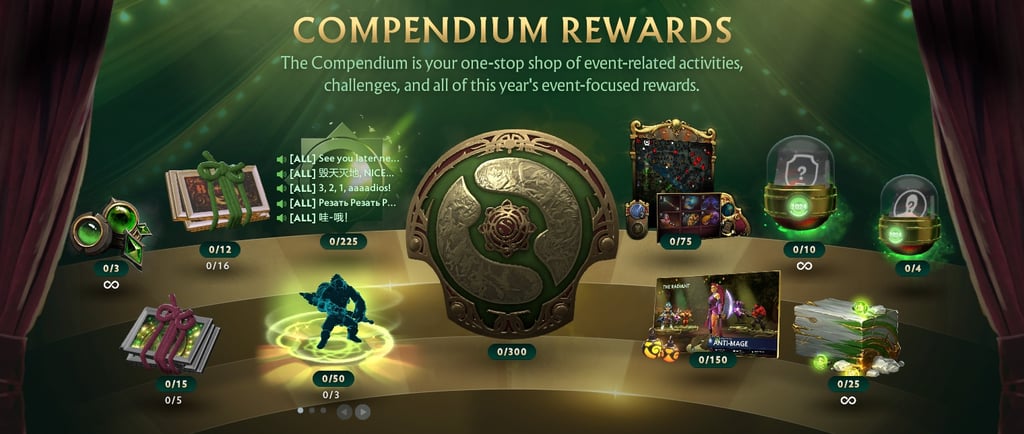
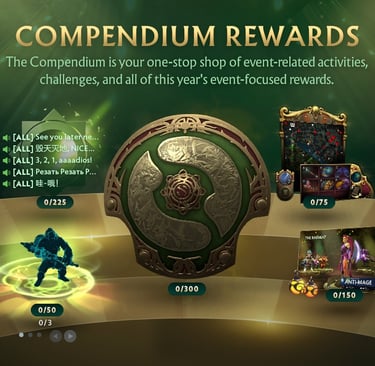
In 2013, Valve released The International 3 Compendium. It was a digital book inside Dota 2 that players could buy. It included tournament details, predictions, fantasy team building, and even a vote for the all star match. It also came with cosmetics such as a courier, taunts, and an experience boost. At the time it felt like incredible value, even before anyone understood what this idea would eventually become.
No one knew it then, but this digital booklet would evolve into one of the most influential systems in modern games. What started as a community reward tool slowly became what we now call the battle pass. Over the years it turned into a core pillar for how live service games reward progress and structure their seasons.
This blog looks at how battle passes have changed and the trends that are shaping their future.
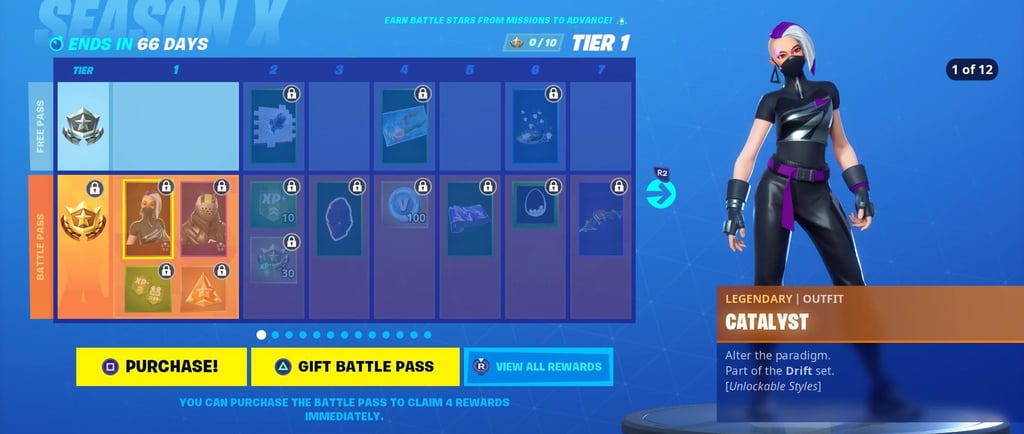
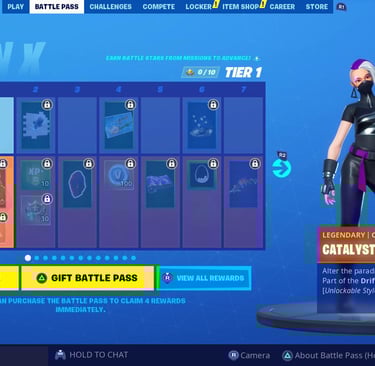
What a battle pass is in simple words
A battle pass is a reward system that gives you items as you play the game. You earn experience through normal gameplay and unlock rewards along the way. Most passes have two tracks, one free and one premium.
Battle passes became popular because they combine playing and progressing in a predictable way. You play, you see the progress, and you earn items that feel worth the effort.
Now the question is how these systems are evolving. Here are three important trends.

Trend one : Flexible progression
Older battle passes followed a strict path. If a reward you wanted was deep inside the pass, you had to work through every level before reaching it. Players had no control over the order.
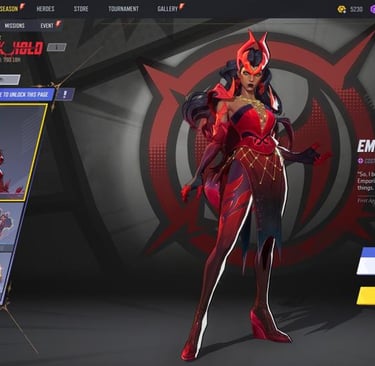
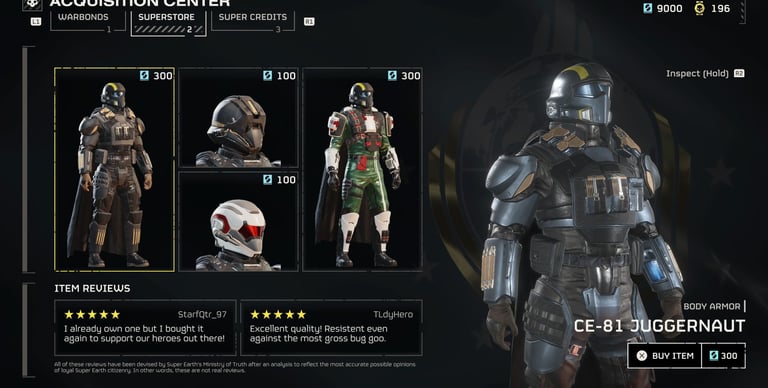
Modern games are moving away from this. Many now use small self contained passes where players can unlock rewards in any order. Helldivers 2 is a clear example. When you buy a warbond, you choose exactly what to unlock first. If you want a weapon or armour piece immediately, you can take it without waiting. Marvel Rivals also brings this idea into character based progression, letting players focus on the heroes they care about.
Call of Duty Modern Warfare 2 uses a sector based layout. Each sector contains a cluster of rewards, and players move across the map toward the items they want. It feels like navigating a set of choices rather than climbing a single ladder.
Modern battle passes also rely on quests and time limited challenges to help players progress faster and catch up if they join late. These quests push players to interact with different parts of the game. Marvel Rivals uses role based challenges that encourage players to try various heroes and playstyles, keeping matches fresh and varied.
Flexible progression allows players to shape their own journey. It has quickly become one of the strongest expectations in battle pass design.



COD: Modern Warfare Sectors
Hell Divers 2 Warbonds
Marvel Rivals Sesaon PAss
Trend two : True ownership
In the past, battle passes were tied tightly to seasons. If you did not finish your pass in time, the rewards were gone forever. Many players felt regret or frustration when life got in the way.
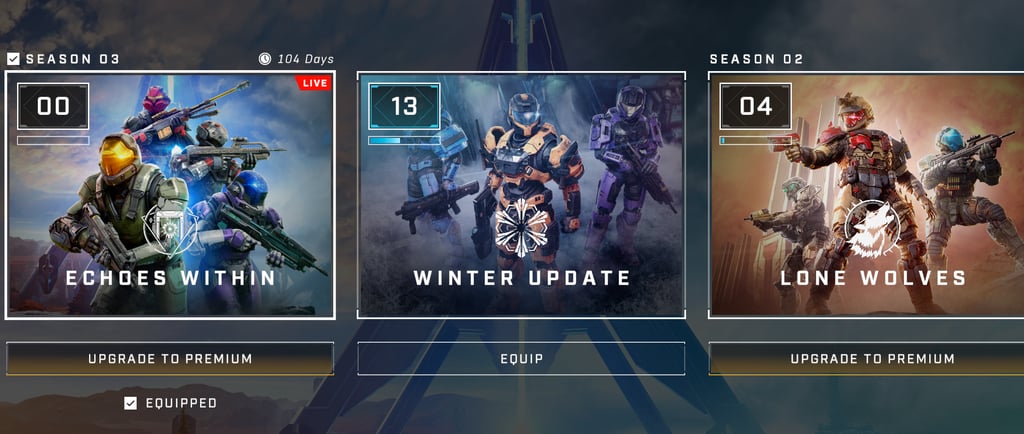
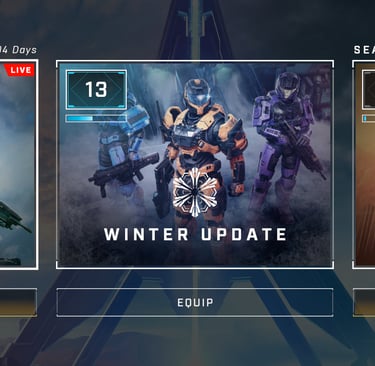
More games are now addressing this. Marvel Rivals and Helldivers 2 let players keep their purchased passes with no expiry. You can finish them whenever you want. Nothing disappears when a season ends. Halo Infinite also allows players to return to older passes at any time. You can activate a previous pass and continue earning rewards months later.
This shift removes the fear of missing out and helps players enjoy the game at their own pace. It also respects the reality that people have busy schedules. Games should fit into a player’s life, not ask players to adjust their life around a timer.
HALO INFinite pass selection


Trend three : Emotional Hooks
Early battle passes rewarded players mainly for time spent. The longer you played, the more you earned. This led to repetitive grinding rather than meaningful fun.
Modern passes are trying to create memorable moments instead of long chores. Designers now use themed missions, creative tasks, and small peaks of excitement. Fortnite creates quests tied to the season’s theme. Apex Legends encourages players to try different characters or weapons. Overwatch uses event based missions to add variety.
Warframe takes a similar approach with its Nightwave system. Each season has narrative driven tasks that feel more intentional and enjoyable.
This type of design is more work for studios but far more rewarding for players. When progress feels interesting, players stay longer. When it feels like homework, they drift away.
warframe nightwave
Why these trends matter
Battle passes were created as a fair and predictable alternative to loot boxes, but over time many systems became demanding, grind heavy, or stressful. The trends we see today show the industry slowly correcting itself. Designers are giving players more flexibility, more control over pace, and more meaningful ways to engage with the game.
A major signal of this shift came in 2023 when Valve, the creator of the original battle pass concept, stepped away from the traditional model in Dota. They removed the pass entirely and focused on delivering content directly to players while keeping only a simple subscription. When the studio that invented the system decides to move on, it tells us that expectations are changing and that maintaining a pass is more costly and complex than many studios realise.
The direction is clear. Players want systems that fit into their lives. They want passes they can enjoy without pressure. They want rewards that feel worthwhile and systems they can trust. Games that embrace this approach will build stronger communities and healthier long term engagement. Games that stay rigid or overly demanding will struggle to hold players.
If the industry continues putting player experience before numbers, battle passes can grow into something more meaningful and enjoyable than they have ever been. That is where the real opportunity lies for the next generation of live service games.
Contact
Questions? Reach out anytime.
hello@thegamebalancer.com
© 2025. All rights reserved.